
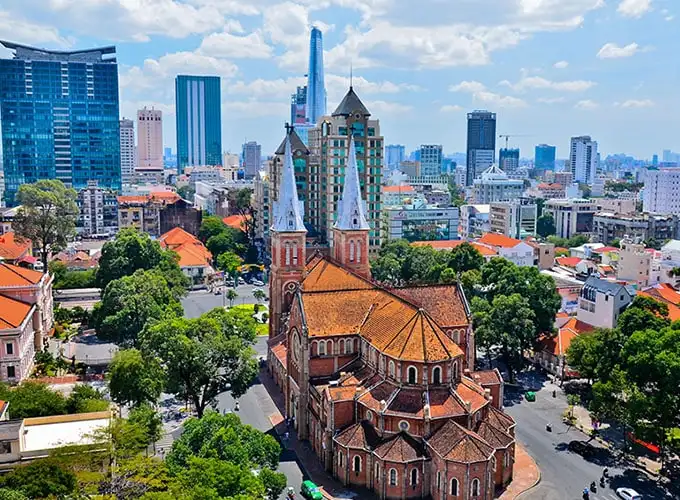

Is Vietnam Safe to Travel in 2026?
What the real risks are, where they are, and the habits our guides teach every traveller on day one.
Quick answer
Yes, Vietnam is safe for travellers. The U.S. State Department rates it Level 1 — Exercise normal precautions, its lowest advisory level. Violent crime against visitors is rare. The real risks are traffic, bag and phone snatching from motorbikes in Hanoi and Ho Chi Minh City, small scams with taxis and change, and typhoons on the central coast from September to December.
Want this planned around your dates? A local specialist replies within 24 hours with a day-by-day plan and an itemised price — free, no obligation.
Get a free itinerary WhatsApp usVietnam's safety at a glance
| Risk | How likely | What to do |
|---|---|---|
| Violent crime against tourists | Rare | Normal precautions; avoid confrontations late at night in bar districts. |
| Bag and phone snatching | The most common crime, mainly in Ho Chi Minh City and Hanoi | Carry bags on the side away from the road; don't hold your phone at the kerb. |
| Taxi and price scams | Common in tourist areas | Use Grab or a reputable taxi; agree prices before rides and purchases. |
| Traffic | The biggest real risk | Cross slowly and steadily; don't rent a motorbike without a licence and insurance. |
| Typhoons and floods | Central coast, mainly Sept–Dec | Keep plans flexible; follow your hotel's and guide's advice. |
| Food and water | Upset stomachs are common, serious illness rare | Drink bottled or filtered water; eat where food is cooked fresh and busy. |
| Unexploded ordnance | Low on normal routes; highest in the former DMZ | Stay on paths in rural Quang Tri; never touch metal objects. |
Is Vietnam safe in the cities?
Hanoi and Ho Chi Minh City feel busy rather than dangerous. The crime visitors actually meet is opportunistic theft: a rider on a passing motorbike grabbing a phone or shoulder bag. It happens most in District 1 of Ho Chi Minh City and around Hanoi's Old Quarter at night.
- Wear a cross-body bag on the side away from the traffic.
- Step back from the kerb before checking your phone or map.
- Leave passports in the hotel safe and carry a photo of the data page.
- Book cars through Grab or your hotel, especially after dark.
Hoi An, Hue, Ninh Binh and the countryside are calmer still. The main thing to watch there is the weather, not crime.
Weather and natural risks by region
- Central coast (Hue, Hoi An, Da Nang, Quang Binh): typhoons and floods mainly from September to December. Hoi An's Old Town floods most years for a few days in October or November.
- North (Hanoi, Halong Bay, Sapa, Ha Giang): storms between June and September occasionally cancel Halong Bay cruises for a day. Mountain roads in Ha Giang and Sapa can have landslides after heavy rain, so travel them with an experienced driver.
- South (Saigon, Mekong Delta, Phu Quoc): afternoon downpours from May to October. Phu Quoc's west coast can have rough seas in the south-west monsoon.
Month-by-month detail is in our best time to visit Vietnam guide.
From our guides: what we tell every traveller on day one
Our guides in Hanoi, Hue, Hoi An and Saigon meet visitors every day. These are the habits they teach in the first hour, because they prevent almost every problem our guests ever have:
- Crossing the street: walk slowly and steadily, make eye contact with riders, and never step backwards. The traffic moves around a predictable pedestrian.
- Money: separate large and small notes. Most short-changing happens because the VND 10,000 and 100,000 notes, and the 20,000 and 500,000 notes, look alike.
- Prices: agree the price before a cyclo ride, a boat or a massage, not afterwards.
- Street food: choose stalls that are busy with local customers and cook to order.
- Weather: if your guide suggests switching two days around because of a storm forecast, take the advice. They watch the forecasts so you don't have to.
On our private tours a local guide and driver are with you on every sightseeing day, and our operations team in Ho Chi Minh City can change hotels, flights or routes if the weather turns. Vietnam Private Tours is the travel brand of My Way Luxury Travel LLC; trips are operated under International Tour Operator Licence No. 79-0743/2017/TCDL-GP LHQT, which the Vietnam National Authority of Tourism registry lists under MyWay Limited Liability Company (Công ty TNHH MyWay). See how to verify a Vietnam tour operator's licence.
Sources
- U.S. Department of State — Vietnam Travel Advisory (Level 1, issued 24 June 2026)
- UK Foreign, Commonwealth & Development Office — Vietnam travel advice
- Australian Government Smartraveller — Vietnam
Advice changes; check your government's page shortly before you travel.
Frequently asked questions
Is Vietnam safe to travel to right now?
Is Vietnam safe for American travelers?
Is Vietnam safe for solo female travellers?
What are the most common scams in Vietnam?
Is it safe to cross the road in Vietnam?
Is it safe to visit Vietnam during the rainy season?
What are the emergency numbers in Vietnam?
Related planning guides
Plan your private Vietnam trip with a local specialist
Tell us your dates, who is travelling and what you want to see. We reply within 24 hours with a day-by-day itinerary and an itemised quote. Nothing is booked until you approve it.