
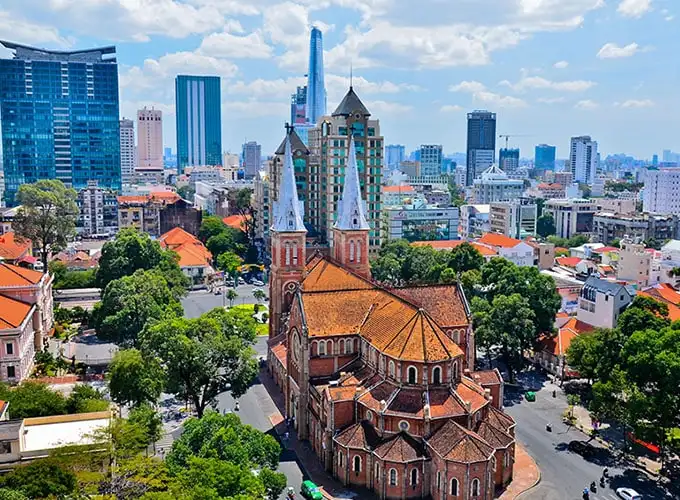

Top Vietnam Culinary Tours that Tourists Should Never Miss

- Introduction
Food experiences play an essential role in any travel as mouthwatering cuisine offers tourists an adventure into the host country’s culture. Regarding Vietnam, beyond well-known dishes- Pho (noodles) and Banh Mi (Vietnamese bread), regional dishes with special ingredients are a blend of local components, preferences, and influences. They are noticeable when the itinerary includes three regions- Southern, Central, and Northern Vietnam. Each region possesses its unique characteristics of culinary through flavors, decorations, and surrounding spaces. Get prepared and explore with Vietnam Private Tours now!
- Long Traditions
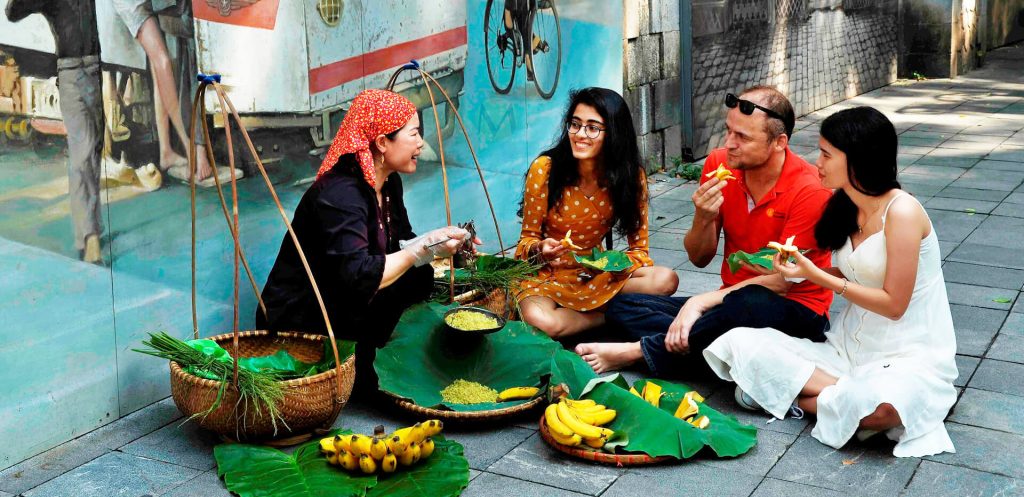
Numerous dishes from Vietnam have been around for centuries, and they are significantly affected by traditional customs and cooking techniques. They help to maintain a delicate balance of flavors with distinct regions combined with fish sauce, vegetables, and special herbs. In Northern areas, people prefer subtle tastes – less spicy and sweet than the others. If strong tastes are in your favor, Central Vietnam and the South will not let you down with an abundance of dishes. Vietnam Culinary Tours are not only food experiences for the foodies who are really into trying special cuisine but also an authentic journey into the country’s rich culture.
- Three Food Heavens
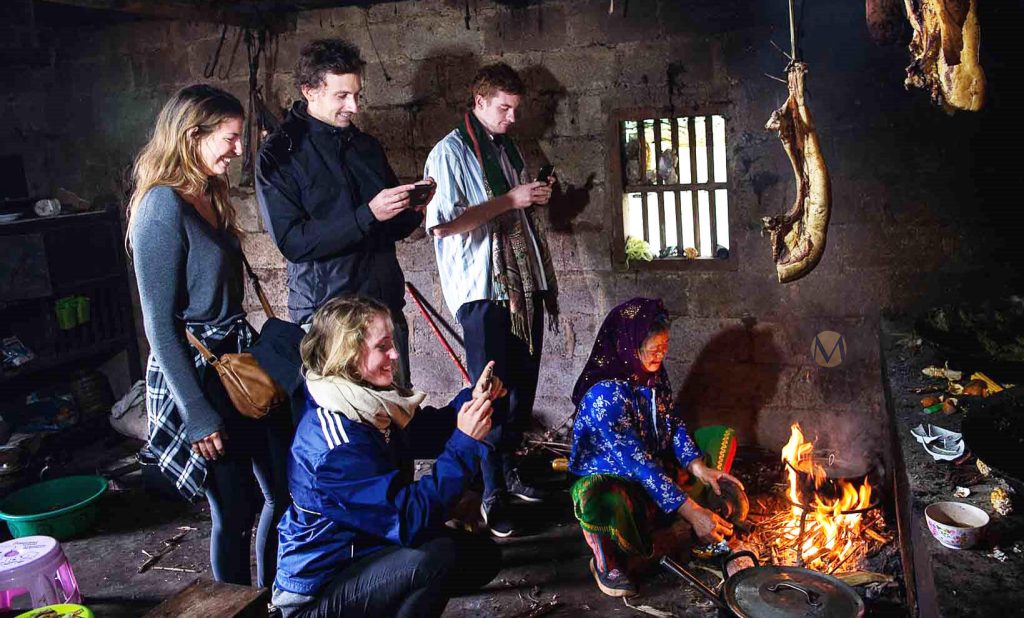
Northern food has moderate flavors that emphasize the natural taste of products and is served with a variety of herbs and sauces. Don’t be frightened by the Pho (Noddle) selections. Fresh chilies, limes, and vinegar garlic are all available. Before you add anything, have a taste of the pure bone broth flavored with special ingredients. Apart from the availability of Pho, La Vong grilled fish, Goi Cuon (Fresh Spring Rolls), Banh Cuon (Steamed Rolled Rice Pancake), and Bun Cha (Kebab Rice Noodles) should be on the must-try list.
Central Vietnamese cuisine is ideal for those who enjoy spices, sauces, and dips. Any native would tell you that the key to a delicious meal is in the dipping sauce. Sauces in Da Nang, Hoi An, and Nha Trang go well above your usual fish sauce. Central Vietnamese cooks find several methods to preserve seafood thanks to the country’s extensive coastline. Fermented shrimp and fish paste are key ingredients in each dish.
Southern cuisine is frequently simple and casual, and most food vendors there are open all day. Com Tam (Vietnamese Broken Rice) is an excellent breakfast, lunch, or supper option. This once-modest delicacy, made from broken rice grains that could not be sold, has become a Southern specialty. Served with grilled pork chops and Vietnamese meatloaf, Com Tam is topped with a big dollop of green onions and sweetened fish sauce. If there is one taste that defines Southern Vietnamese food, it is sweetness.
- Delightful Vietnamese Drinks
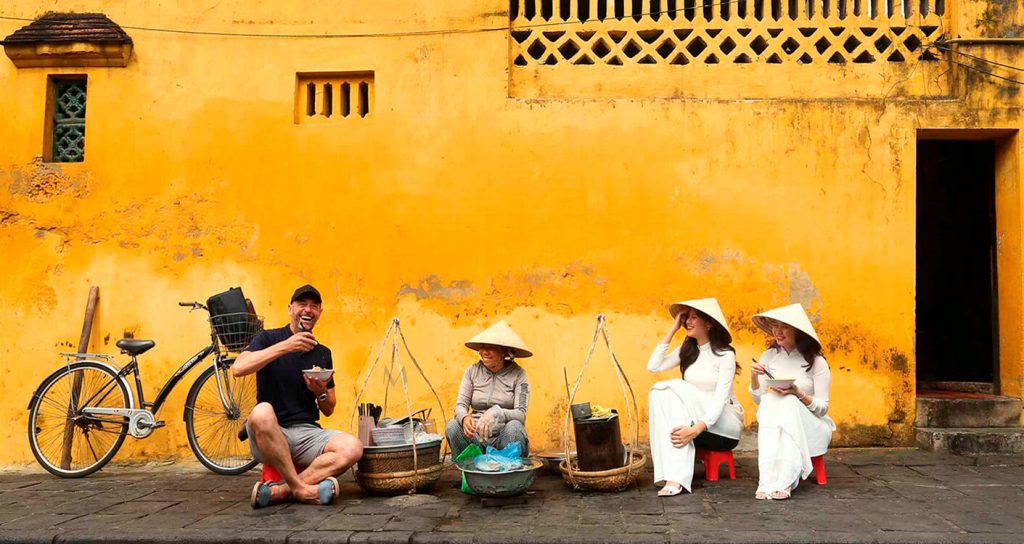
Vietnam is known for a variety of beverages that help refresh and stay alert with special tastes- fragrant tea, coffee, rice wine, beer, and fruit juices.
Tea is considered a good way to kickstart a day and boost your energy, providing a unique experience with various options.- artichoke tea, iced green tea, and lotus tea. They are served by infusing flower petals or dried leaves into hot water creating a little sweet, bitter, and subtle fragrance, which is perfect while tourists are sitting, chatting, and enjoying a fresh atmosphere. Beyond that, many researchers approve of the health advantages of using tea such as the management of colon, esophageal, and lung cancers, as well as urinary stones, dental caries, etc.
Coffee can be prevalent in your country, however, egg coffee- an iconic drink in Vietnam is special to any tourists who experience Vietnam Culinary Tours. The bitterness of coffee blends with sweetened milk that could linger and become an unforgettable taste. If tourists want to try the original flavors, iced coffee, coconut coffee, and yogurt coffee could be great options.
Rice wine and beer, two kinds of alcohol, are often seen in the lunch or dinner of Vietnamese families where the host shows their welcome and warmth by raising a toast for new guests. If you have good alcohol tolerance, don’t hesitate to try them during Vietnam Culinary Tours.
Last but not least, located in the tropical climate zone, Vietnamese fruits have diverse rich nutritions. Thus, a glass of your favorite fruits- mango, apple, strawberries, and so on could be great.
In short, Vietnam Culinary Tours by Vietnam Private Tours offers exceptional experiences to explore unique cuisine and drink, as a fundamental aspect of knowing more about the authentic culture and locals here. Each part of Vietnam provides interesting perspectives on culinary to tourists. If you find it enjoyable, contact us to create an unforgettable journey!
Dishes to try in each region
- North: pho bo (beef noodle soup) for breakfast, bun cha (grilled pork with noodles), cha ca (turmeric fish with dill) and banh cuon (steamed rice rolls).
- Center: bun bo Hue (spicy beef noodle soup), mi Quang (turmeric noodles from Quang Nam), cao lau (Hoi An's chewy noodles) and Hue's small steamed rice cakes.
- South: com tam (broken rice with grilled pork), hu tieu (clear noodle soup), banh xeo (crispy pancakes) and grilled snakehead fish in the Mekong Delta.
How to build a culinary trip
- Street-food tours: walk or ride with a local guide in Hanoi's Old Quarter or Saigon's backstreets in the evening, when the stalls are busiest.
- Cooking classes: start with a market visit and learn to make spring rolls, pho or a central-style noodle dish. Hoi An is particularly good for classes.
- Fine dining: the Michelin Guide has covered Hanoi, Ho Chi Minh City and Da Nang since 2023, recognizing everything from street stalls to tasting-menu restaurants.
- Coffee and tea: visit a coffee farm in the Central Highlands, or a tea village in the north for Thai Nguyen green tea.
- Markets: Ben Thanh in Saigon, the central market in Hoi An and the floating markets of the Mekong Delta.
Ready to plan? Explore our private Vietnam tours, designed around your dates and interests.
Planning more of the trip? Read our guides to Vietnam Itinerary and Top destinations in Vietnam.
Frequently asked questions
What makes Vietnamese food different by region?
Northern food is subtle and herb-led, central dishes are bolder, and the south is known for abundance and sweetness.
What dishes should you try in Vietnam beyond pho and banh mi?
Regional specialties made with local ingredients, which you discover by traveling through all three regions.
How should you eat pho in Vietnam?
Taste it first, then add fresh chili, lime and garlic vinegar to suit yourself.
Can a private tour focus on food?
Yes, a culinary tour can be built around markets, cooking classes and regional dishes.
Which city in Vietnam is best for food?
Hanoi and Ho Chi Minh City for street food, Hue for royal cuisine and Hoi An for cooking classes and local specialties.